Your day, on camera

Comparing your options? Our Journal guide Makeup, masks, hats or glasses: what works and what doesn't looks at what the research says about each one.

Nobody hands you a privacy policy for your street. This guide walks through an ordinary day, stop by stop: what gets collected, who ends up with it, and what you can do about it in a few minutes.

Most of the steps are free. Where one of our products honestly helps, we say so. Where it doesn’t, we leave it out.

Stop 1 · 7:00 am

The front door

What gets collected

Video doorbells record whoever comes to your door, and usually a good stretch of sidewalk and street beyond it. About 27% of U.S. households now have one, and some models can be paired with face recognition.

Who ends up with it

The camera’s owner, the company’s cloud, and, when an owner agrees, local police. Ring’s Community Requests feature lets local agencies ask nearby owners for footage. Sharing is voluntary, and shared clips are delivered through the police technology company Axon.

Three free steps

  1. If you own one, turn off Community Requests, or your brand’s equivalent, in the app settings unless you want to receive those requests.
  2. Aim the camera at your own doorway rather than the street or a neighbor’s door, and shorten how long clips are kept.
  3. Turn on end-to-end encryption if your brand offers it.

Where Vaydr fits

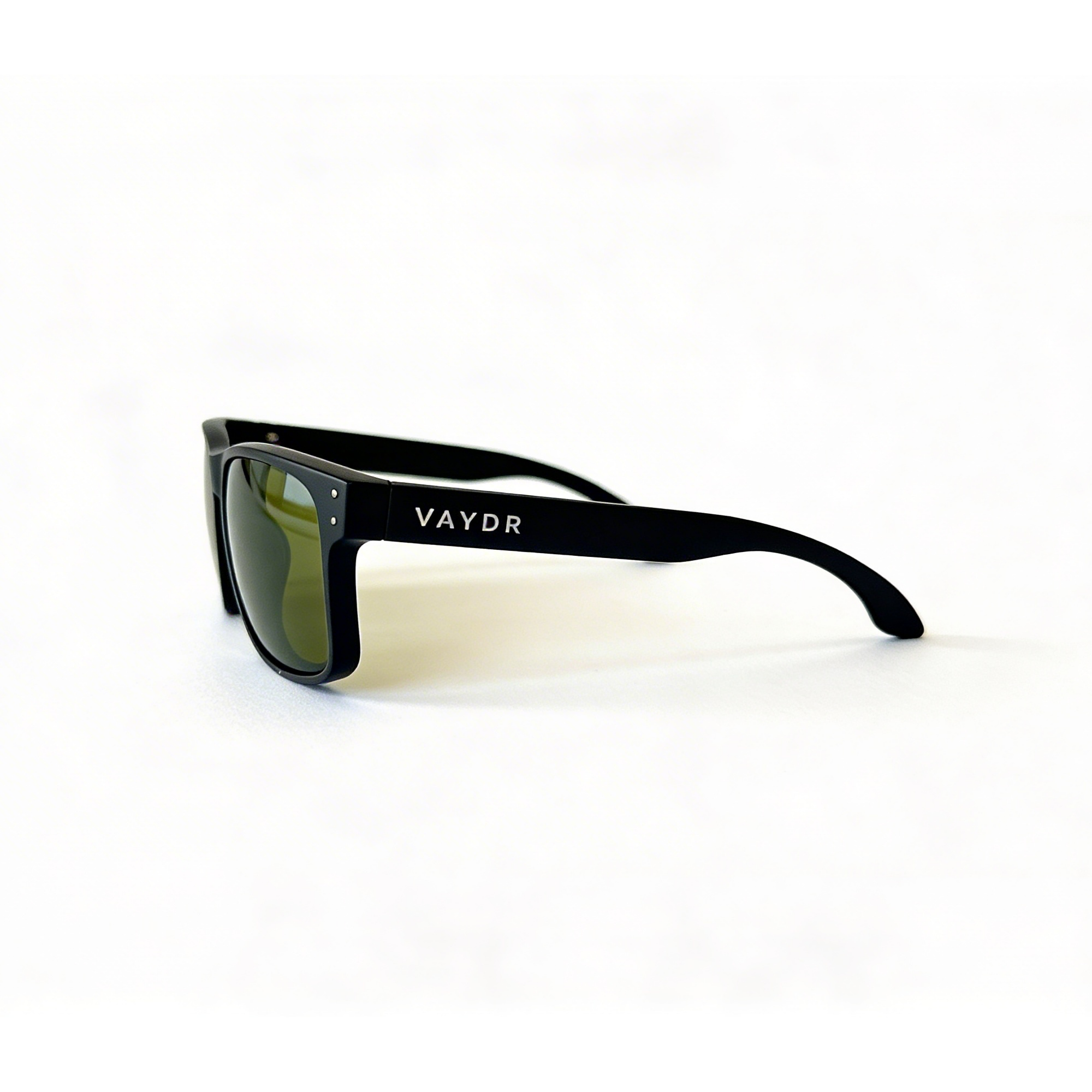
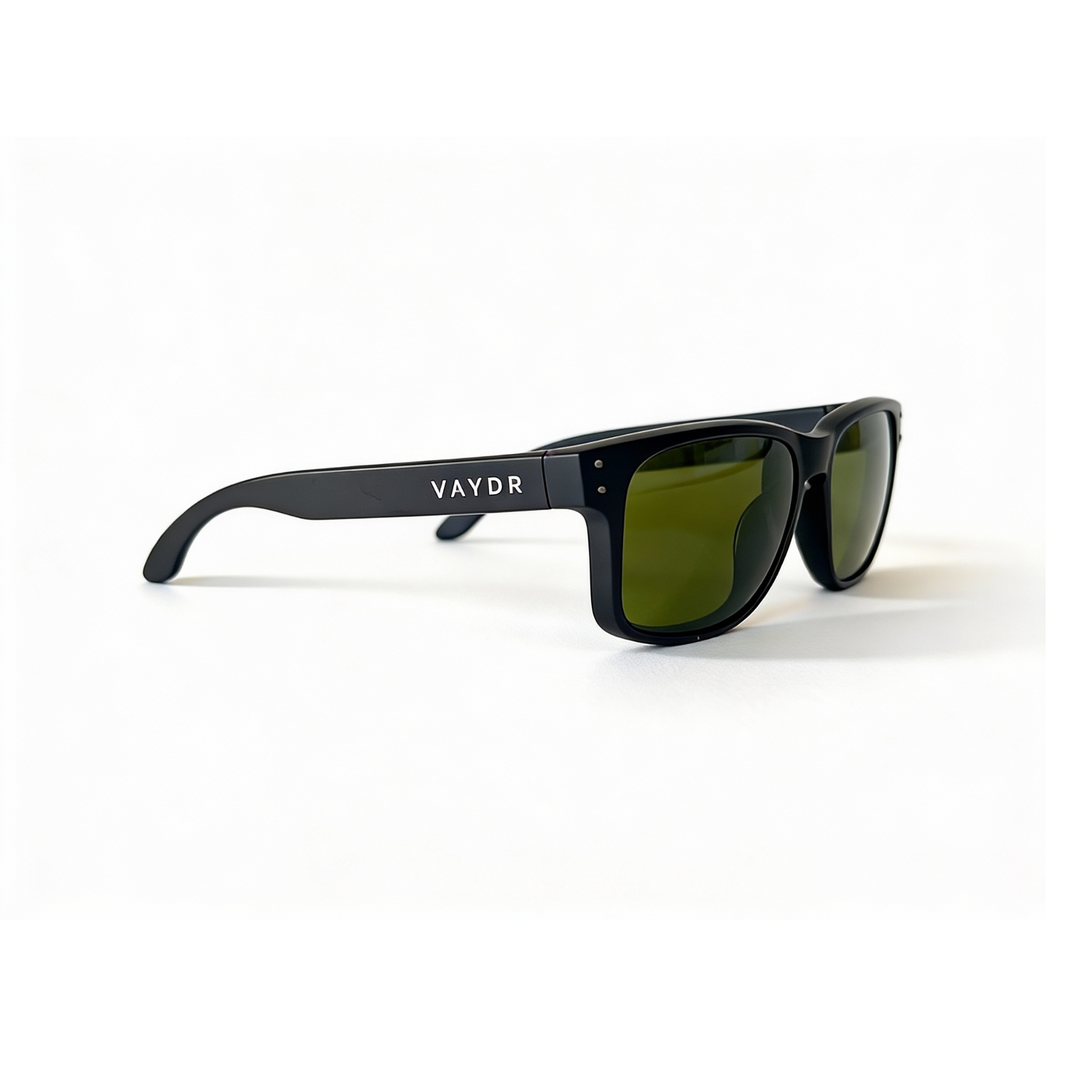
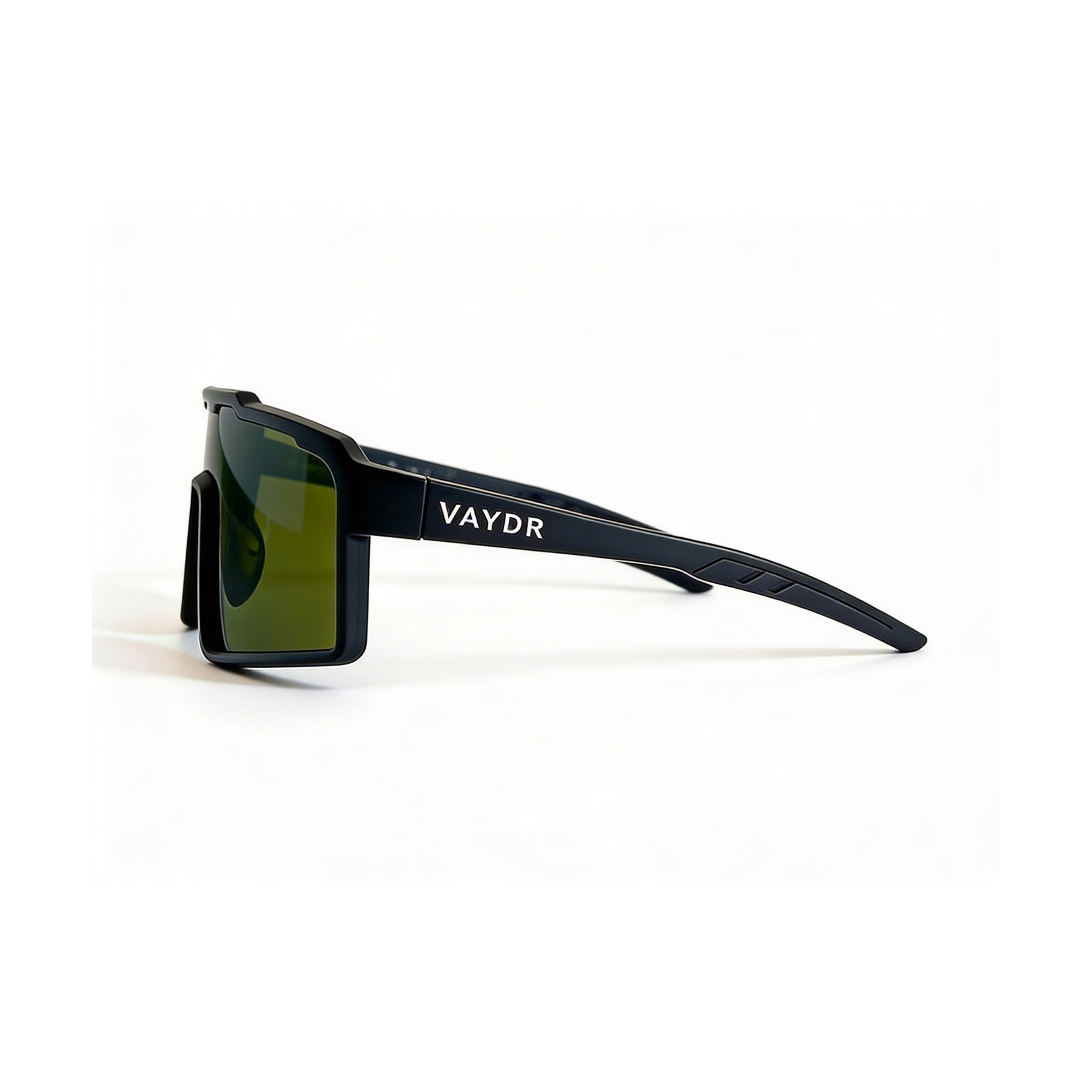
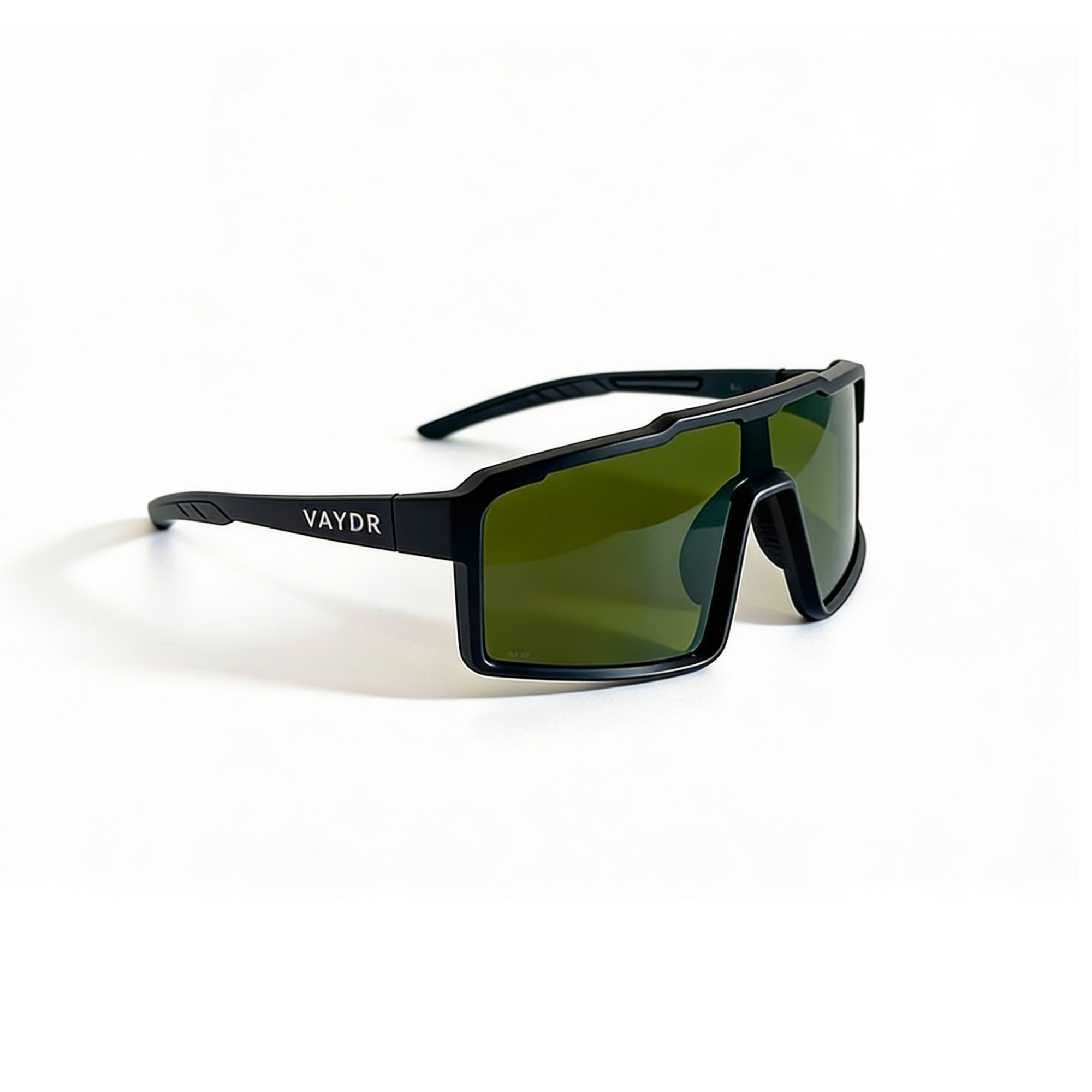
You can’t change the settings on other people’s cameras. GLX eyewear is designed to keep the eye region covered in daylight and under the infrared light these cameras switch to at night.

See the eyewear
Stop 2 · 7:45 am

The drive

What gets collected

License plate readers photograph every passing plate and log the time and place. In records from 200 police agencies, 99.5% of the plates scanned belonged to vehicles that were not under suspicion.

Your car reports on you too. The FTC found that GM collected location and driving behavior from millions of vehicles, in some cases every three seconds.

Who ends up with it

Plate data is pooled and shared widely. Agencies in that study shared with 160 others on average. GM’s driving data went to data brokers that supply insurers. A 2026 FTC order bars GM from sharing it with consumer reporting agencies for five years and requires clear consent going forward.

Three free steps

  1. In your car’s app and settings, opt out of driving-score, “smart driver” and data-sharing programs.
  2. Request your consumer disclosure file from LexisNexis to see what driving data, if any, it holds on you.
  3. Ask your city or county which plate-reader vendor it uses and how long it keeps the data. Many agencies publish a transparency page.
Stop 3 · 12:30 pm

The store

What gets collected

Many retailers run camera analytics, and some have used face recognition to match shoppers against watchlists. Loyalty programs, store apps and in-store Wi-Fi tie your visits and purchases to your name.

Who ends up with it

The retailer and its vendors, and the systems make mistakes. In 2023 the FTC barred Rite Aid from using face recognition for five years after its system, used in hundreds of stores, wrongly flagged shoppers as likely shoplifters.

Three free steps

  1. Skip store Wi-Fi, and turn off Wi-Fi and Bluetooth scanning while you shop.
  2. Use a loyalty number that isn’t tied to your main phone number or email, or check out without one.
  3. Look for posted biometric notices, which some states and cities require, and ask a manager what the store uses.

Where Vaydr fits

This is the stop where eyewear fits. GLX lenses are designed to keep the eye region covered under visible and near-infrared light, which can lower the confidence of a face match. They cannot guarantee that you won’t be identified.

How the GLX lens works

Sources: Axios

Stop 4 · All day

Your phone

What gets collected

Apps collect precise location and pass it into advertising markets, tied to your phone’s advertising ID. One location broker said it handled more than 17 billion signals a day from about a billion devices.

Who ends up with it

Data brokers, who sell it on to businesses and government agencies. In 2025 the FTC barred Gravy Analytics and Mobilewalla from selling location data tied to sensitive places such as medical facilities and places of worship.

Three free steps

  1. Review location permissions. Set apps to “While using” or “Never,” and switch off precise location for apps that don’t need it.
  2. Delete or reset your advertising ID on Android. On iPhone, turn off “Allow Apps to Request to Track.”
  3. Remove apps you no longer use. Each one is another possible source.

Sources: The Record, Hunton

Stop 5 · 9 to 5

Work and school

What gets collected

Badge systems log when you arrive and leave. Employer-owned laptops, phones and accounts can be monitored, often including browsing, email and messages. Many schools run similar monitoring on student devices and accounts.

Who ends up with it

Your employer or school, and the software vendors they use.

Three free steps

  1. Keep personal browsing, email and messaging on your own device and your own connection, not on work equipment or work Wi-Fi.
  2. Read the acceptable-use or monitoring policy. You are usually entitled to see it.
  3. Don’t sign in to personal accounts inside a work or school browser profile, where they can be synced and logged.
Stop 6 · 8:00 pm

Home

What gets collected

Many smart TVs use automatic content recognition, which takes frequent snapshots of whatever is on screen, including cable boxes and game consoles, to work out what you watch. Voice assistants and other smart devices keep their own logs.

Who ends up with it

The TV maker and its advertising partners. In December 2025 Texas sued Sony, Samsung, LG, Hisense and TCL over the practice. The companies have not been found liable, and the claims have not been tested in court.

Three free steps

  1. Turn off content recognition in the TV’s settings. It is often labeled “Viewing Information,” “Interactivity” or “Marketing Preferences.”
  2. Put smart devices on a guest network, separate from your laptops and phones.
  3. Review your voice assistant history and set recordings to delete automatically.

Start with one stop

Pick the stop that bothered you most and do its three steps today. That is a real improvement, and it took ten minutes.

Free comes first

Most of what helps costs nothing. We would rather you do the free steps than buy something you don’t need.

Where we fit

We make gear for the parts a settings menu can’t reach: what cameras see of your face, and what thermal sensors see of your heat.

Eyewear

4.7

Recon

$89.99
4.7

Veil

$89.99